
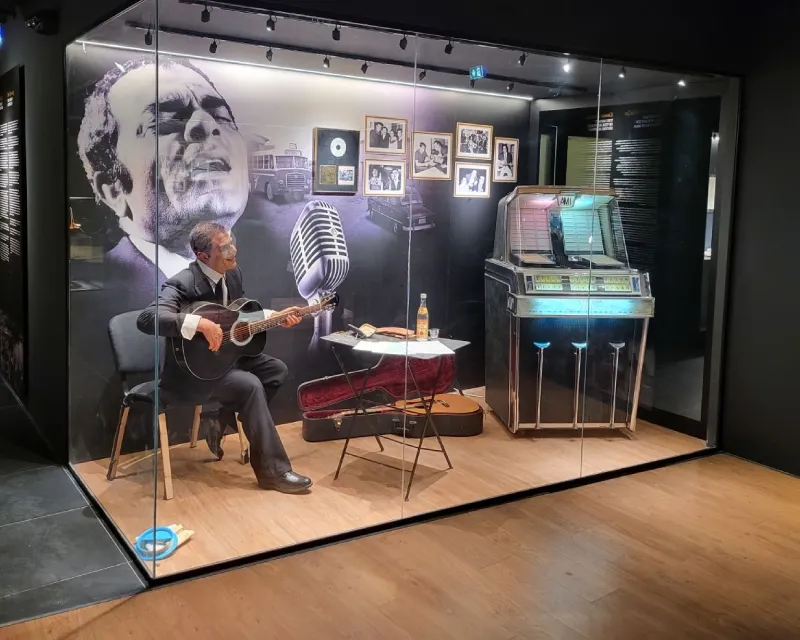
A wax museum project is an incredible fusion of art, engineering, and narrative that goes beyond a collection of well-known real-life sculptures. Each hyper-realistic figure requires months of research, exquisite craftsmanship, and new technology to make. These projects give life to creativity, culture, and history. Characters from fictional real-life stories, TV shows, movies, and made-up sports can interact with visitors.
What makes any wax museum project effective is the artistry and vision of a talented manufacturer of wax figures. These specialists make incredibly lifelike replicas of people using only the most basic materials. To make figures that capture the subject’s emotions and activities in addition to their appearance, sculptors, painters, costume designers, and figure technologists work together.
Coming up with ideas is the first step in the project to construct the wax museum. As part of the art stage, the characters or people to be depicted in the work are chosen. They may include historical personalities, cultural icons, and people from many nations. After choosing the lineup, the wax figure manufacturer does a comprehensive analysis. Viewing images, videos, body scans, and even taking measurements of one’s height and posture are all included in this art.
Forming it is the next step. Skilled sculptors make a clay imitation by using all the information at their disposal. This delicate work requires talent and an artistic sensibility. A mold is made and filled with a unique wax mixture after the clay sculpture is flawless. The wax figure is then carefully removed, cleaned, and made ready for painting. Since it provides the figure with realistic skin tones, texture, and depth, the painting stage is very important.
Another important component of the wax museum art project is the integration of hair. Hand-stylized real hair, which might take weeks to complete a head of hair, is used to create the miniatures made by luxury wax figure producers. This methodical strategy makes the figure appear real from every perspective. Clothes and accessories are made with the same amount of attention to detail. Using fabrics and styles to suit each person’s unique style, tailors make garments again. The figure can be made more interesting for museum visitors by including artifacts within the display.
The visitor experience is improved by contemporary wax museum activities that make use of technology. Some wax figures may move in a subtle yet interesting way with the use of animatronics, making the sculptures much more interesting. To try to make things interesting, some people employ project mapping, dynamic lighting, or audio storytelling. More people are being drawn to and staying put by these new ideas.
In conclusion, the success of a wax museum project depends on the assistance of an experienced manufacturer of wax figures. Common wax is transformed into timeless works of art by their unique techniques, meticulous attention to detail, and creative vision. Wax Museums continue to draw visitors from all around the world as a result of these initiatives. They provide an immersive and distinctive way to preserve history, culture, and entertainment.