
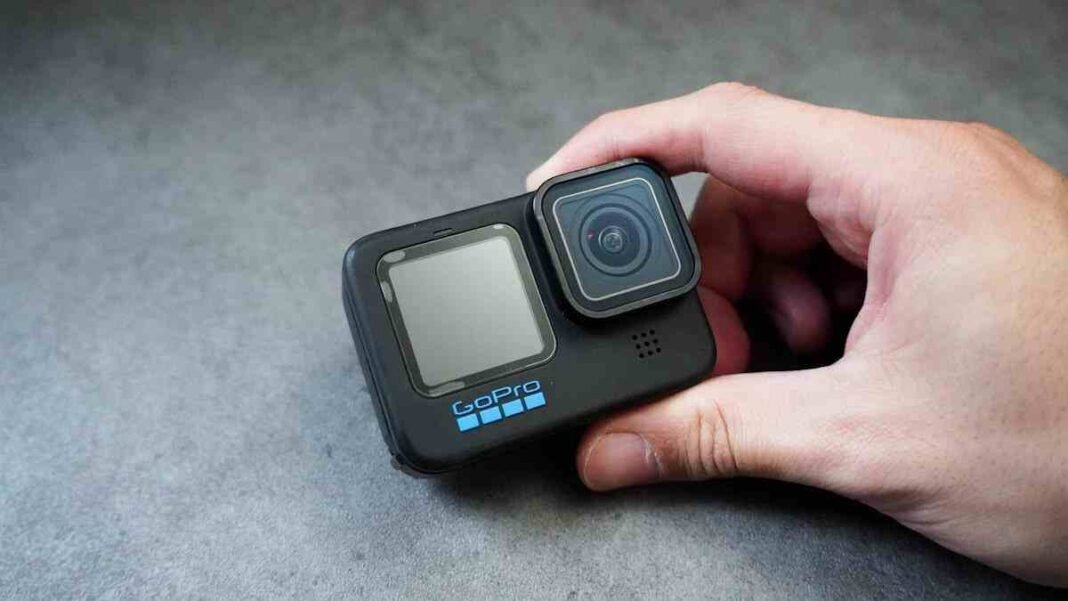

GoPro has taken a bold leap in 2026 by launching its all-new Mission series, a lineup of cameras that moves far beyond traditional action cams and firmly into the world of professional filmmaking. With powerful 8K recording capabilities, a larger sensor, and advanced imaging technology, the GoPro Mission series is being positioned as a new category of “compact cinema cameras” designed for creators who demand high-end performance in a portable form factor.
At the heart of this new lineup is a major hardware upgrade. The Mission series features a 50MP 1-inch sensor paired with GoPro’s latest GP3 processor, a combination that significantly improves image quality, low-light performance, and dynamic range. This marks a dramatic shift from earlier GoPro cameras, which relied on smaller sensors and were primarily built for action and adventure recording.
The headline feature of the Mission series is its ability to record in 8K resolution, with higher-end models like the Mission 1 Pro supporting up to 8K at 60 frames per second. This level of performance puts GoPro in direct competition with professional mirrorless and cinema cameras, something that would have seemed unlikely just a few years ago. In addition to 8K video, the cameras also offer 4K recording at up to 240fps and ultra-slow-motion capture at 960fps in Full HD, giving creators incredible flexibility in both cinematic storytelling and high-speed action shots.
The Mission series includes three main models: the base Mission 1, the more advanced Mission 1 Pro, and the innovative Mission 1 Pro ILS. While the base model already supports 8K recording at 30fps, the Pro version unlocks higher frame rates and enhanced features for professional users. The standout model, however, is the Mission 1 Pro ILS, which introduces an interchangeable lens system compatible with Micro Four Thirds lenses. This is a groundbreaking move for GoPro, as it allows users to switch lenses for different shooting styles, from wide-angle action shots to detailed close-ups, bringing a level of versatility never seen before in action cameras.
Another key improvement is the camera’s ability to capture up to 14 stops of dynamic range, ensuring better detail in both bright highlights and deep shadows. Combined with advanced color profiles like 10-bit GP-Log2, the Mission series is clearly designed with professional video editing and color grading in mind. This makes it suitable not just for vloggers and YouTubers but also for filmmakers and content creators working on high-end productions.
GoPro has also focused heavily on usability and durability, staying true to its roots. The Mission cameras are rugged, waterproof up to 20 meters without additional housing, and designed to perform in extreme environments. At the same time, they include modern features like wireless microphone support, AI-powered image processing, and extended battery life, with some models capable of recording for hours on a single charge.
From a market perspective, the Mission series represents a strategic shift for GoPro. Instead of competing solely in the action camera space, the company is now targeting professional creators and filmmakers. Early reports suggest that GoPro aims to disrupt the compact camera market by offering cinema-level performance in a smaller and more rugged device.
However, this transition also comes with challenges. The higher pricing and advanced features may make the Mission series less appealing to casual users who are accustomed to simpler and more affordable GoPro models. At the same time, professionals may compare it directly with established cinema cameras, making competition tougher than ever.
In conclusion, the GoPro Mission series is more than just a product launch—it is a redefinition of what an action camera can be. By combining 8K video, interchangeable lenses, and professional-grade features in a compact design, GoPro is attempting to bridge the gap between adventure cameras and cinema tools. If successful, this move could reshape the future of content creation and position GoPro as a serious player in the professional imaging industry.