
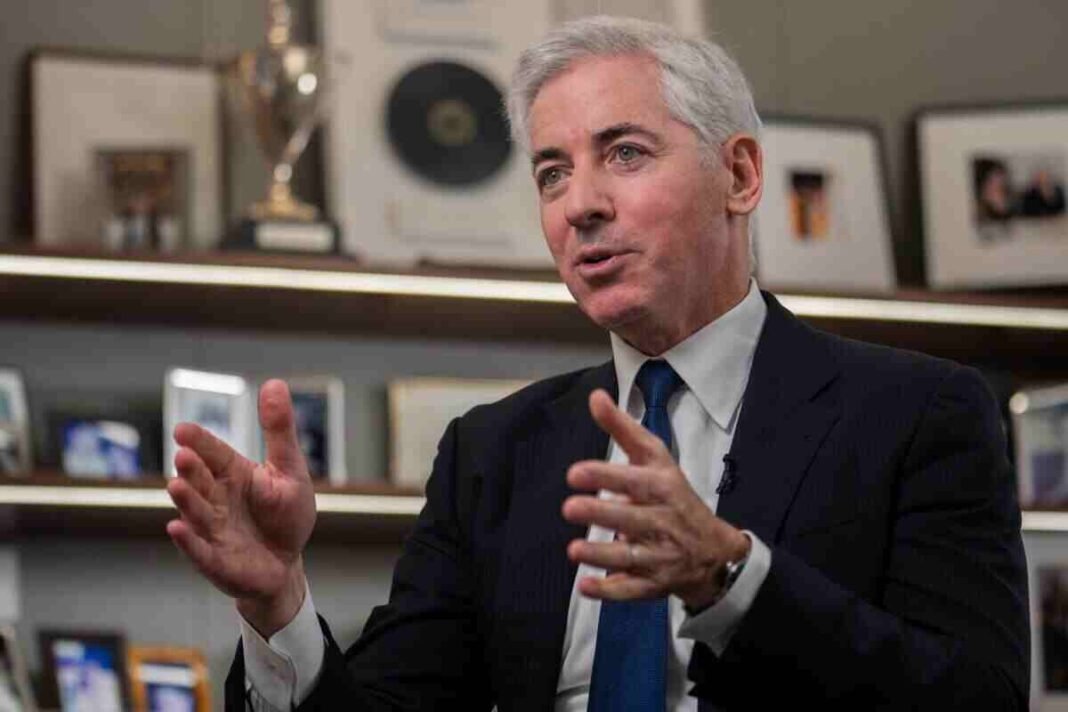
Billionaire activist investor Bill Ackman has shaken the global music industry with a stunning takeover proposal that could reshape one of the world’s largest entertainment companies. On April 7, 2026, Ackman’s Pershing Square Capital Management unveiled a complex cash-and-shares offer to acquire Universal Music Group, valuing the music giant at approximately 64 billion dollars in a deal that promises a substantial premium for shareholders and a shift to a New York stock listing.
The non-binding proposal involves merging Universal Music Group with Pershing Square SPARC Holdings, an acquisition vehicle designed to facilitate the transaction. Under the terms, UMG shareholders would receive about 5.05 euros in cash per share plus additional shares in the new combined entity, pushing the total value to around 30.40 euros per share. This represents a dramatic 78 percent premium over UMG’s recent closing price of 17.10 euros, creating one of the most significant potential buyouts in music industry history.
Universal Music Group, home to superstar artists including Taylor Swift, Sabrina Carpenter, Kendrick Lamar, Bad Bunny, and legendary catalogs featuring The Beatles and Bob Dylan, currently trades on Euronext Amsterdam. Ackman’s plan calls for reincorporating the company in Nevada and listing it on the New York Stock Exchange, a move he believes will unlock significant value by aligning UMG with stronger U.S. market multiples. Pershing Square argues that the current valuation undervalues the company’s growth, projecting that the restructured entity could reach higher earnings multiples through improved investor perception and strategic changes.
The activist investor, who already holds a stake in UMG, has outlined an ambitious value creation plan. Key elements include selling UMG’s stake in Spotify, adjusting dividend policies for gradual annual increases, and raising the net debt threshold to support future investments. Ackman has expressed confidence that Universal Music CEO Sir Lucian Grainge would remain in his role, ensuring continuity for artists, songwriters, and employees during any transition.
Universal Music Group responded cautiously to the unsolicited offer, stating that its board of directors, along with advisors, will review the proposal in accordance with fiduciary duties. The company emphasized its focus on implications for all stakeholders, including shareholders, artists, and staff, while expressing complete confidence in its existing strategy and leadership team under Grainge.
This bold bid marks the latest chapter in Ackman’s nearly five-year pursuit of greater involvement with the music label. Industry analysts view the proposal as a potential catalyst for broader consolidation in the entertainment sector, where scale, catalog strength, and streaming synergies drive long-term success. If completed by the end of 2026 as targeted, the deal would create a powerful U.S.-listed music powerhouse better positioned to navigate evolving consumer habits, technological advancements, and global market opportunities.
Market reactions have been mixed but largely positive on the premium offered, with investors closely watching for any counteroffers or strategic responses from UMG’s major shareholders, including French conglomerate Bolloré which holds a significant stake. The transaction would require approval from at least two-thirds of shareholders and faces standard regulatory scrutiny across multiple jurisdictions.
For the music business, the potential shift carries profound implications. A New York listing could attract fresh capital and higher visibility among American investors, potentially accelerating innovation in artist development, live events, and digital platforms. At the same time, concerns linger around maintaining creative independence and long-term artist relationships amid new ownership structures.
As discussions unfold, the proposal highlights ongoing tensions between traditional European listings and the perceived advantages of U.S. capital markets. Bill Ackman’s aggressive move underscores his reputation for bold activism and long-term value creation, positioning Pershing Square at the center of what could become the music industry’s biggest deal of the decade.
Whether Universal Music Group ultimately accepts, rejects, or negotiates the offer remains uncertain, but the announcement has already ignited widespread conversation across Wall Street, Hollywood, and the global music community. All eyes now turn to the boardroom deliberations that will determine the future direction of this iconic entertainment powerhouse. The coming months promise intense negotiations that could redefine how the world’s largest record company operates in an increasingly competitive landscape.
