
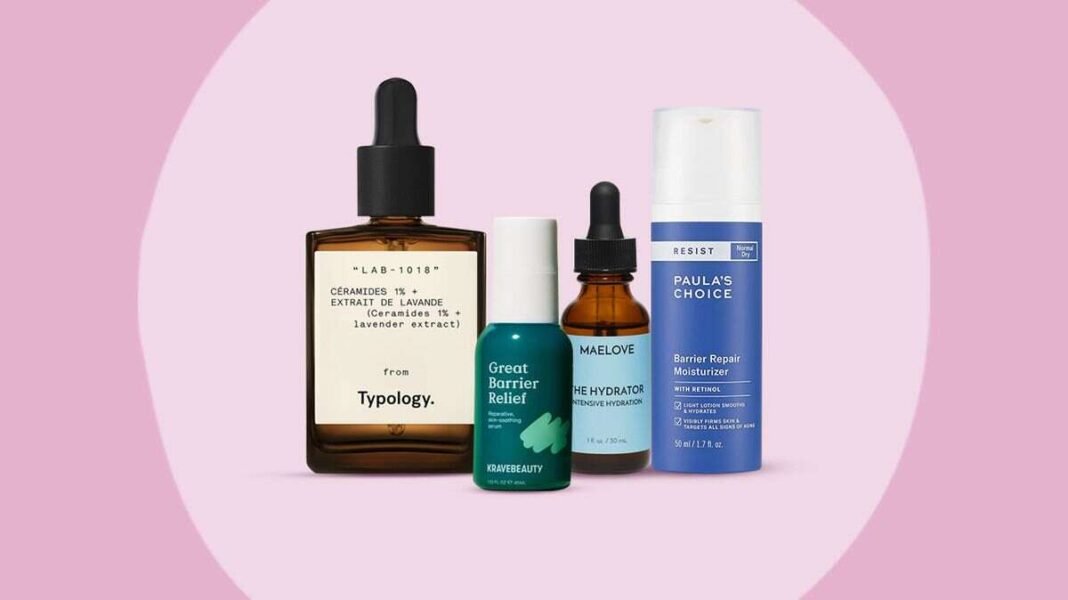
Something quiet yet potent is changing how bathroom counters and e-commerce shopping carts look this year. Consumers who previously flocked to the deepest acids or night-glow enhancing ampoules are now buying skin barrier repair formulas that soothe skin and keep it in check. Once a limited specialty dermatological referral, skin barrier formulas are becoming necessary staples and the figures illustrate this trend is in overdrive. The skin barrier is the first line of defense.
As that defense weakens from over-exfoliating too harsh an environment, pollution or even well intentioned but overly aggressive techniques, moisture is lost and offending agents penetrate. Millions of consumers are saying, “I remember that feeling” as they experience tightness redness flaking, new sensitivity or zits that won’t go away. They are voting with their dollars for the re-building rather than the stimulating.
Continued worldwide searches for barrier repair, ceramide cream, and other barrier related searches into 2026 have been verified with retail reports and sales monitor statistics. Some of the most popular barrier agents are moving multiple tens of thousand a month on the category giants. The general barrier market is growing at a steady pace, and the global barrier market is predicted to be into the tens of billion USD into the early 2030s. Innovation mainly originates from Asia, but North American and European consumers are rapidly catching up once they have been exposed to the benefits. The science behind these is fairly simple (e.g. using familiar textures) and the formulas are easy to apply.
The most frequently used ingredients are ceramides (which are the skin’s lipid building blocks). They are often combined with cholesterol and fatty acids in concentrations that emulate the skin. Beta-glucan has grown in popularity since it hydrates and soothes better than many traditional humectants. Other popular ingredients include centella asiatica, squalane and some of the peptides.
The quality of the finished product is as important as the ingredients – the closest to a comforting, not heavy feeling that sinks in without a trace and firms skin within 24 weeks of use. The timing is right. Consumers are worn out from years of “more is more” skincare and their irritated skin feeling compromised and replenishing damage that was caused by the products that were supposed to be improving it.
Socials have raised the profile of the dermatologist and their discussion, taking barrier function out of the science arena and translating it to straightforward messaging. Customers can see that they need a robust barrier if they are going to achieve all the other outcomes they are looking for – healthier skin, improved tolerance of actives or simply feeling comfortable all day long. Post-sun recovery products are on the same trend. Innovative brands that traditionally limited their offering to cooling and hydrating products are now also promoting barrier support and regeneration as part of the broader resilience movement, rather than to the detriment of it.
Hair is also now embracing the language and ingredients of facial barrier repair: To everyone else, it also feels personal. Now, after months of fighting the tightness from strong retinoids or acid toners, the person’s skin is soft and cool-and they haven’t even used a regular moisturizer. Even parents of eczema-prone kids report their children having fewer flare-ups.
