
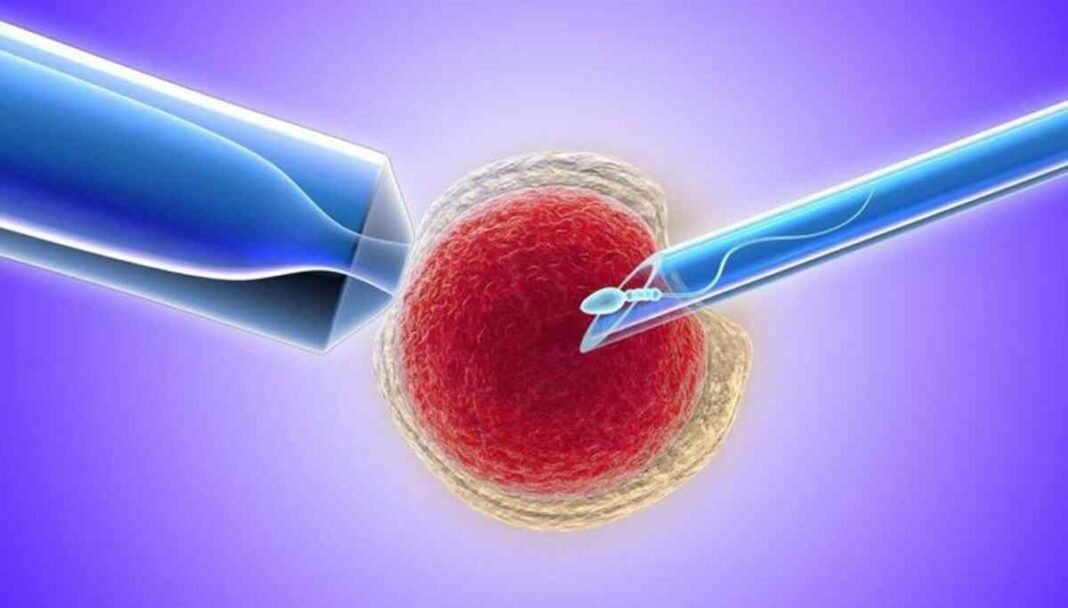

Scientists in reproductive medicine are making great strides with the study and development of human eggs and sperm in the lab, a process that may one day become a reality. Still in the experimental phase, the breakthroughs in stem cell science combined with advances in developmental biology provide hope for addressing infertility and a wider choice of reproduction for future generations. This is the subject of research known as in vitro gametogenesis (IVG) which consists in generating human gametes (ova and sperm cells) in the lab from cells with undifferentiated potential (i.e. stem cells) through very controlled and defined environmental and molecular conditions.
The scientists hope that this technology would be a new avenue for people who cannot produce fertile cells because of diseases, hereditary conditions or after they have been exposed to radiation and chemical drugs, or if they have fertility issues related to the time and age. Millions of individuals suffer from infertility around the globe, with many different factors playing roles, both biological and medical, in reproductive health. Fertility treatments are available like invitro fertilization (IVF), donation of gametes, fertility preservation and they have helped create families but infertility’s many causes are not all amenable to these methods of treatment.
In vitro gametogenesis could be used to offer more possibilities in reproduction to complement the currently existing treatments. Of course, this is contingent upon the success of clinical trials on the technology’s safety and effectiveness if these are Really demonstrated by them. The reason for the stem cell focus is their unparalleled capacity to evolve into every kind of cell present in the human body. Experts in science are working on finding ways to encourage these cells to go through exactly the same pathways of development that naturally lead to the formation of eggs and sperm cells in a young human being. Mimicking this intricate process of biological development has been cited as the most challenging problem at hand in the area of reproductive medicine.
There have been experiments recently in the lab to understand reproductive cell development better that have shown promising results. Researchers created in laboratory settings early-stage reproductive cells and still, in principle, are refining their approaches so that these cells develop better and their characteristics are improved. For one thing, fully developed and healthy human eggs and cells that will be fit for a use are still not on hand. The greatest benefit of usingIVG probably would be in fertility preservation of the cancer patient.
In many instances, cancer treatments including chemotherapy, radiation can seriously hurt a person’s fertility permanently. In the future, IVGmay offer new reproductive options to people who undergo fertility loss due to life-saving cancer treatments.
Though, such treatments are not going to be available until a lot of further research is carried. At the same time, IVG opens new doors not only for clinical treatments but also medical research in general.
Gametes made in the laboratory open new possibilities for scientists to explore human development at the earliest stages since these have always been very difficult to access. These discoveries may help infertility scientists better understand infertility, genetic diseases, human embryo development, and reproductive conditions. Though the enthusiasm that is sparked by the progress made, researchers still consider that such technologies are mainly the province of laboratory investigations at present.
A lot of scientific barriers remain to be tackled before human reproductive cells cultured in a lab can become part of the regular medical practice. In the first place, the researchers should be able to show that these cells develop properly, safely, and do not carry any unpredictable genetic or developmental risks.