
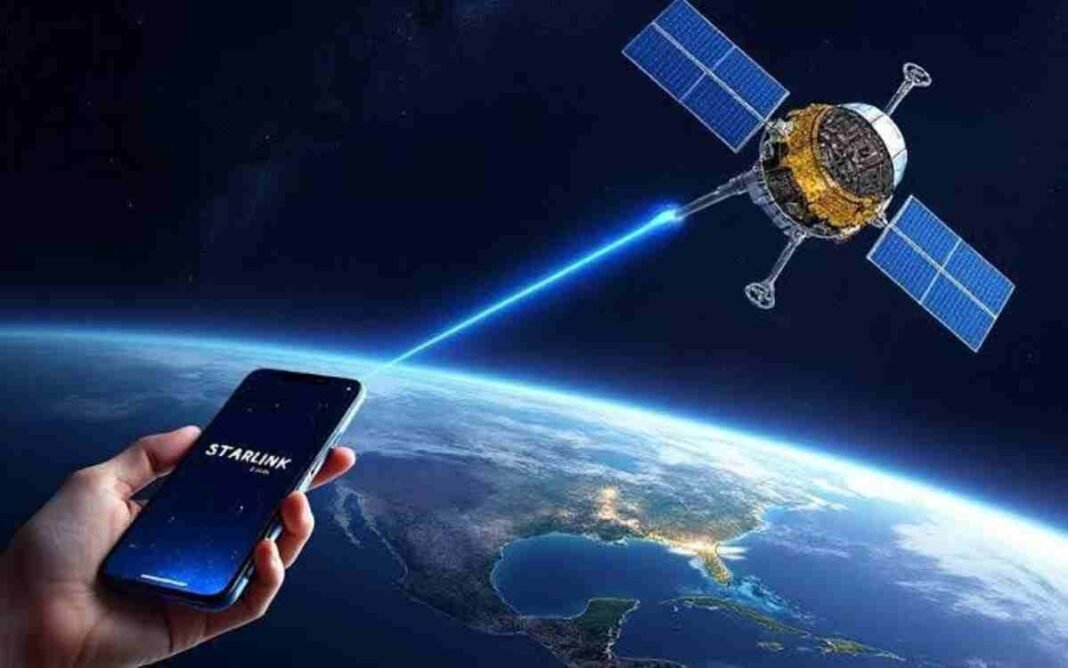
In a groundbreaking development that could reshape the future of artificial intelligence infrastructure, SpaceX and Google are advancing discussions to launch data centers into orbit. According to recent reports, Alphabet’s Google is negotiating a major rocket-launch agreement with Elon Musk’s SpaceX to support its ambitious Project Suncatcher, an initiative aimed at building solar-powered orbital AI computing systems.
This potential partnership comes at a critical time as exploding demand for AI training and inference pushes terrestrial data centers to their limits. Ground-based facilities face mounting challenges including skyrocketing electricity consumption, grid constraints, land scarcity, and community opposition. Placing compute power in space could offer abundant solar energy, natural cooling in the vacuum of orbit, and virtually unlimited expansion potential.
Google’s Project Suncatcher, unveiled in late 2025, envisions networking clusters of satellites equipped with the company’s powerful Tensor Processing Units (TPUs). These orbital platforms would form a scalable AI cloud capable of handling massive machine learning workloads. Initial tests and prototype launches are targeted as early as 2027, marking a bold step from conceptual research to real-world deployment.
For SpaceX, the collaboration aligns perfectly with its long-term vision. Elon Musk has positioned orbital data centers as the company’s next major commercial frontier beyond Starlink satellite internet. The initiative is also a key element in SpaceX’s upcoming IPO pitch, expected to be one of the largest in history this summer. A successful deal with Google would significantly strengthen investor confidence and demonstrate practical demand for space-based infrastructure.
The technical advantages are compelling. In orbit, satellites can harness uninterrupted solar power without atmospheric interference. Heat dissipation becomes more efficient in the cold void of space, potentially reducing the massive cooling costs that plague Earth-based data centers. However, significant engineering hurdles remain, including radiation hardening of electronics, high-speed inter-satellite laser communications to minimize latency, maintenance challenges, and the enormous upfront costs of launching heavy computing hardware.
Despite these obstacles, both companies bring complementary strengths. Google contributes world-leading AI hardware and software expertise, while SpaceX offers unparalleled launch capacity through its reusable Starship rocket and extensive experience with large satellite constellations. Alphabet already holds approximately 6.1% ownership in SpaceX, and Google executives serve on its board, creating a foundation of trust for deeper collaboration.
Industry analysts view this development as a potential turning point for the AI sector. As models grow increasingly complex and energy-intensive, traditional infrastructure may struggle to keep pace. Orbital data centers could provide a sustainable path forward, potentially lowering long-term operational costs while addressing environmental concerns associated with massive power usage on Earth.
The talks also signal intensifying competition in the emerging space computing race. SpaceX has separately announced plans for constellations of up to a million satellites dedicated to orbital compute, while other players explore similar concepts. A Google-SpaceX partnership could accelerate innovation across the industry and set new standards for space-based technology.
As discussions progress, the implications extend far beyond the two companies. Successful orbital data centers could democratize access to advanced AI capabilities, enable new scientific discoveries, and transform how humanity processes information on a planetary scale. While still in early stages, this collaboration between SpaceX and Google represents a giant leap toward integrating space infrastructure with the exponential growth of artificial intelligence.
The coming months will be pivotal as engineers tackle the complex challenges of making orbital computing not just possible, but practical and economically viable. If realized, this vision could mark the beginning of a new era where the final frontier becomes the ultimate home for the world’s most powerful computing resources.
